
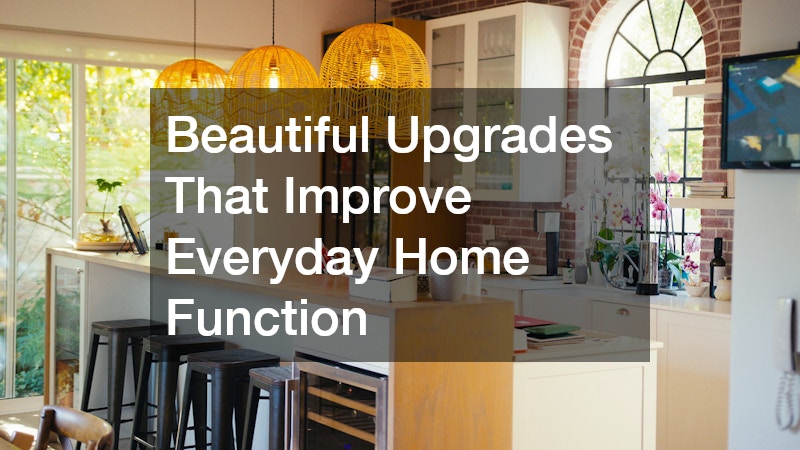
A beautiful home should do more than look good in photos. The best upgrades make everyday life easier, cleaner, safer, and more enjoyable. Kitchens and bathrooms are especially important because they are used constantly. They affect how families cook, clean, get ready, relax, store belongings, and move through the day.
Many homeowners start a renovation by thinking about colors, tile, fixtures, and finishes. Those choices matter, but they should come after the bigger question: how does the space need to work? A stunning room can still feel frustrating if there is not enough storage, the layout is awkward, the surfaces are hard to clean, or the lighting is poor.
A smart upgrade balances beauty with function. It should solve real problems, support daily routines, and hold up to regular use. Whether you are planning a full renovation or making smaller improvements over time, the goal is to create spaces that feel better to live in every day.
Start With the Spaces That Affect Daily Life

Kitchens and bathrooms should usually be evaluated first because they have the biggest impact on daily comfort. A poorly planned kitchen can make cooking feel chaotic. A cramped bathroom can make mornings stressful. Outdated surfaces, limited storage, weak lighting, and worn fixtures can all make a home feel harder to use than it should.
Kitchen remodeling services can help homeowners rethink layout, storage, lighting, appliance placement, and workflow. This is especially helpful when a kitchen has too little prep space, awkward traffic flow, or cabinets that no longer support the household’s needs.
A bathroom remodeling company can help improve comfort, safety, ventilation, and material selection. Bathrooms need to handle moisture, daily cleaning, grooming routines, and privacy. A good remodel should make the space easier to use, not just more attractive.
Improve Storage Before Adding Style Details
Storage is one of the most important parts of a functional home. A kitchen or bathroom can have beautiful finishes and still feel stressful if everyday items have nowhere to go. Clutter makes cleaning harder, slows down routines, and can make even a newly remodeled space feel unfinished.
Kitchen cabinet services can help homeowners create better organization through updated cabinetry, custom layouts, pull-out shelves, deeper drawers, pantry solutions, and built-in storage features. Instead of simply replacing old cabinets with similar ones, homeowners should think carefully about what needs to be stored and how often each item is used.
Useful storage upgrades include:
- Pull-out trash and recycling
- Deep drawers for pots and pans
- Vertical storage for baking sheets
- Pull-out pantry shelves
- Drawer dividers
- Hidden charging stations
- Appliance garages
- Spice pull-outs
- Tall cabinets for cleaning supplies
- Built-in linen storage near bathrooms
Storage should be planned around habits. A family that cooks every night may need larger drawers, better pantry access, and space for small appliances. A busy bathroom may need divided drawers, towel storage, and easy access to grooming items.
Choose Surfaces That Handle Real Life
Counters are some of the hardest-working surfaces in the home. They handle food prep, hot pans, spills, coffee, makeup, toothpaste, cleaning products, groceries, school bags, and everyday clutter. A beautiful counter should also be durable enough for the way the household uses the room.
A granite countertop may appeal to homeowners who want a strong natural stone surface with visual character. Granite can bring texture and depth to a kitchen or bathroom, but homeowners should understand maintenance needs and choose a finish that fits their lifestyle.
Custom countertops can help homeowners get the right size, shape, edge detail, sink cutout, and material for their space. This is especially useful in kitchens with unusual layouts, bathrooms with unique vanities, or homes where standard sizes do not make the best use of available space.
Busy households often benefit from lower-maintenance surfaces that can handle spills and daily cleaning. Homeowners should also think about landing space near sinks, stoves, refrigerators, and bathroom vanities. A beautiful material will not feel practical if there is not enough usable counter space.
The right surface makes daily tasks easier and helps the room stay cleaner with less effort.
Make Small Bathrooms Feel More Open
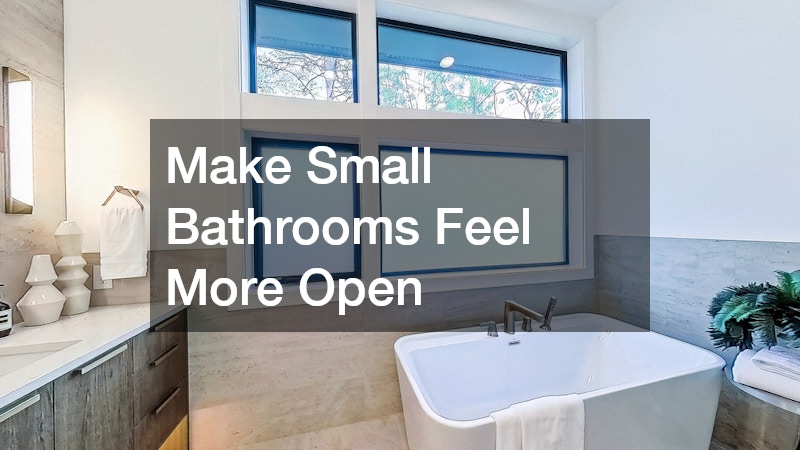
Bathrooms often feel smaller than they are because of poor lighting, clutter, dark finishes, or undersized mirrors. While some bathrooms need a full layout change, others can feel brighter and more useful with smarter visual upgrades.
Custom bathroom mirrors can improve both function and appearance. A mirror that is properly sized for the vanity can make grooming easier, reflect more light, and create a more open feeling. Custom sizing is helpful when a bathroom has unusual wall dimensions, double sinks, sloped ceilings, or a narrow layout.
Mirror placement matters. A mirror should support the way the bathroom is used every day. It should work with lighting, vanity height, storage, and fixture placement.
Helpful mirror ideas include:
- Full-width mirrors above double vanities
- Tall mirrors for narrow bathrooms
- Framed mirrors for a finished look
- Mirrors with integrated lighting
- Mirrors placed to reflect natural light
- Medicine cabinet mirrors for hidden storage
- Anti-fog options for busy bathrooms
Lighting should be planned with the mirror, not after it. Side lighting or balanced vanity lighting can reduce shadows and make daily grooming easier. Homeowners should also avoid placing mirrors where they reflect clutter or awkward views.
A better mirror may seem like a small upgrade, but it can make the bathroom feel larger, brighter, and more comfortable without changing the entire room.
Upgrade Bathing Areas for Safety and Comfort
Bathtub renovations can refresh an outdated bathing area, improve safety, update style, and make cleaning easier. This may include replacing a damaged tub, updating the surround, improving access, adding storage niches, or choosing materials that resist moisture and are easier to maintain.
Custom shower doors can also improve both appearance and function. A properly fitted door can reduce water leaks, make the space feel more finished, and create a cleaner look than a curtain. Custom sizing is especially useful for nonstandard openings, walk-in showers, or remodels where the shower layout has changed.
Practical bathing area upgrades include:
- Walk-in shower access
- Non-slip surfaces
- Built-in shelves or niches
- Grab bar planning
- Easy-clean glass
- Better ventilation
- Improved drainage
- Low-maintenance wall panels or tile
- Comfortable tub depth
- Wider shower openings
The right choice depends on the household. Families with young children may still need a tub. Older homeowners may prioritize safer shower access. Busy adults may prefer an easy-clean shower with practical storage.
Comfort and safety should guide the design. A bathing area should feel good to use, easy to clean, and safe for the people who live in the home.
Keep the Kitchen Cleaner and More Comfortable
Kitchen ventilation is easy to overlook, but it affects how the room feels every day. Cooking creates steam, grease, smoke, heat, odors, and airborne particles. Without good ventilation, smells linger, surfaces get sticky, and the kitchen may feel less comfortable.
Kitchen hood cleaning helps keep ventilation working properly by reducing grease buildup, improving odor control, supporting better airflow, and lowering fire risk. This is especially important for households that cook often, fry foods, use high heat, or have an open floor plan where kitchen odors spread quickly.
Signs that a hood or vent system needs attention include:
- Lingering cooking smells
- Visible grease buildup
- Weak airflow
- Smoke that does not clear quickly
- Dirty filters
- A noisy fan
- Sticky surfaces near the cooking area
Homeowners should clean filters regularly, wipe the hood after greasy cooking, and use the fan before smoke builds up. If grease has collected inside the hood or duct system, deeper cleaning may be needed.
During a kitchen remodel, homeowners should also evaluate whether the current ventilation setup matches their cooking habits. A beautiful range area should not only look good. It should help keep the kitchen cleaner, fresher, and more enjoyable to use.
Extend Everyday Living Outdoors

Outdoor cooking and gathering areas can make a home more functional by expanding usable living space. They can reduce indoor mess, support entertaining, and make weeknight meals or weekend gatherings easier. A well-planned outdoor area does not need to be oversized. It simply needs to fit the way the household lives.
Outdoor kitchen contractors can help homeowners plan layout, appliances, utilities, weather-resistant materials, lighting, and safe installation. This matters because outdoor kitchens involve more than placing a grill on a patio. Durable surfaces, proper clearances, utility connections, and traffic flow all affect how well the space works.
The best outdoor kitchens support both cooking and serving. Homeowners should plan space for plates, tools, ingredients, trash, and cleanup. A grill without prep space can quickly become inconvenient.
Outdoor upgrades should make daily life better, not just occasional entertaining. A simple, well-designed cooking area can become one of the most useful spaces in the home.
Choose Finishes That Are Easy to Maintain
A remodel can look beautiful on installation day but become frustrating if the materials are hard to clean or maintain. Homeowners should think honestly about how much upkeep they want before choosing tile, counters, glass, flooring, hardware, and cabinet finishes.
Low-maintenance design choices can make daily routines easier. This is especially important for households with children, pets, frequent guests, heavy cooking, or busy schedules.
Maintenance-friendly choices include:
- Larger-format tile with less grout
- Durable cabinet finishes
- Easy-clean glass
- Stain-resistant counters
- Water-resistant flooring
- Simple hardware shapes
- Good ventilation
- Accessible storage
- Smooth surfaces around sinks
- Moisture-resistant bathroom materials
Before choosing a material, ask:
- Will it show fingerprints?
- Will it show water spots?
- Does it need special cleaners?
- Can it handle daily use?
- Is it easy to repair?
- How often will it need sealing or maintenance?
- Will it still look good in five years?
Trendy finishes can be appealing, but they should still match the household’s real life. A high-maintenance surface may not be the right fit for a busy family kitchen. A difficult-to-clean shower may become annoying over time.
The goal is not to avoid style. The goal is to choose style that remains enjoyable after months and years of daily use.
Plan the Project in the Right Order
Remodeling goes more smoothly when homeowners follow a logical order. Many people want to start with finishes because tile, counters, fixtures, and colors are exciting. But the most important decisions often happen earlier.
A practical remodeling order may look like this:
- Identify daily frustrations.
- Set goals and budget.
- Measure the space.
- Check plumbing, electrical, ventilation, and structural needs.
- Plan the layout.
- Plan storage.
- Choose major surfaces.
- Select fixtures and finishes.
- Schedule installation.
- Prepare for disruption.
Utility planning should happen before cabinets, counters, tile, or outdoor features are installed. Moving plumbing, adding outlets, improving lighting, or changing ventilation can affect the layout and budget.
Homeowners should also separate must-haves from nice-to-haves. Must-haves may include safer bathing access, better storage, improved ventilation, or durable surfaces. Nice-to-haves may include luxury finishes, specialty lighting, or decorative upgrades.
Budgeting tips include:
- Get written estimates.
- Leave room for unexpected costs.
- Spend more on items used daily.
- Avoid changing plans mid-project when possible.
- Choose durable materials where wear is highest.
- Plan temporary routines during construction.
Good planning reduces stress and helps prevent expensive changes later.
Match Every Upgrade to the Household

The best home upgrades are personal. They should fit the people who live in the home, not just follow trends. A family with children may need durable surfaces, better storage, and easy-clean bathrooms. An aging homeowner may need safer shower access and improved lighting. A frequent host may need more prep space and better traffic flow. A small-space household may need smarter storage and brighter finishes.
Before committing to any upgrade, homeowners should ask how it will improve daily life. A beautiful feature that does not solve a real problem may not be worth the cost. On the other hand, a practical improvement can make the home feel better every single day.
Beauty and function are not opposites. The strongest upgrades bring them together.
Home upgrades are most successful when they improve daily life, not just appearance. Kitchens, bathrooms, and outdoor living areas should be planned around real routines, comfort, storage, safety, cleaning, and long-term maintenance.
A beautiful space should also be useful. It should make cooking easier, mornings smoother, cleaning faster, and gathering more enjoyable. By focusing on how each room works before choosing decorative details, homeowners can make smarter decisions and avoid upgrades that only look good on the surface.
The best home is one that supports the people who live in it every day. When beauty and function work together, the result is a home that feels more comfortable, efficient, and enjoyable for years to come.