
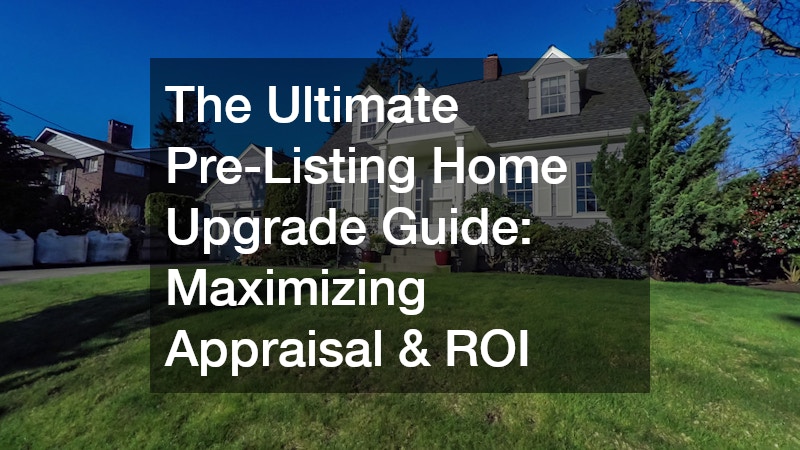
Preparing a residential property for the competitive real estate market requires a delicate balance between strategic upfront investment and long-term capital preservation. Every property owner approaching a listing deadline wants to achieve the highest possible closing price, yet determining which home renovations yield true value—and which simply drain savings accounts—can feel overwhelming. Placing a home on the market without thorough preparation often results in missed appraisal targets, extended time on market, and reduced leverage during price negotiations. Conversely, over-improving a property risks investing capital into custom features that cannot be fully recouped upon settlement.
To maximize net sale equity, sellers must evaluate their real estate through two distinct lenses: the analytical perspective of a professional real estate appraiser and the emotional viewpoint of prospective buyers. Appraisers base their formal valuations on standardized objective criteria, accessible functional square footage, structural condition, building code compliance, and recent sales of comparable properties in the immediate neighborhood. Prospective buyers, on the other hand, react heavily to immediate visual cues, aesthetic warmth, natural lighting, modern finishes, and overall move-in readiness.
Aligning these two perspectives is the foundational goal of an effective pre-listing renovation strategy. High-yield home upgrades bridge the gap between financial valuation standards and emotional buyer desire. By prioritizing smart renovations that resolve underlying structural maintenance concerns while elevating visible cosmetic appeal, property owners can position their listings for competitive bidding wars and flawless appraisal reports. This comprehensive guide breaks down essential pre-listing upgrades designed to enhance marketability, drive return on investment, and deliver a smooth, profitable transaction. Furthermore, establishing a clear timeline and budget prior to launching these updates prevents costly delays and ensures that every contractor hire contributes directly to the overall value of the home.
Exterior Restorations and Curb Appeal Essentials
The exterior of a residential property establishes the emotional baseline for every potential buyer stepping onto the premises. Long before prospective buyers evaluate floor plan functionality or admire interior kitchen upgrades, they form an initial lasting opinion while pulling up to the curb. If an exterior appears weathered, stained, or neglected, buyers subconsciously assume that unseen mechanical, electrical, and structural components have been similarly overlooked over the years.
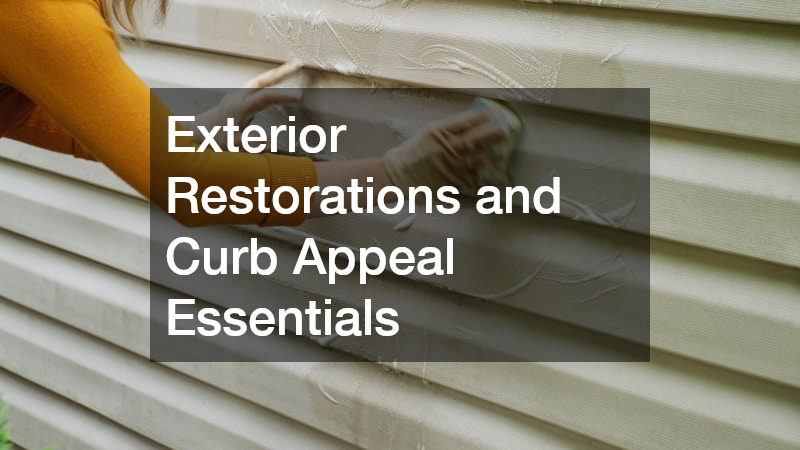
Restoring exterior surface brightness is one of the most efficient, cost-effective methods for reviving a property’s original charm. Scheduling a thorough house washing service quickly removes years of built-up dirt, mildew, mold, algae, and atmospheric pollution from siding, gutters, soffits, and entry walkways. Over time, continuous environmental exposure dulls paint finishes and discolors exterior architectural trim. A professional exterior power cleaning restores crisp visual contrast across exterior surfaces without forcing the owner to fund a full, expensive exterior repaint project. Clean siding allows natural building materials to shine and emphasizes structural details in promotional real estate photography.
Once building surfaces are spotless, focus must shift toward organic ground elements. Thoughtfully planned landscaping frames architectural features, guides visitor footsteps toward the main doorway, and creates a warm, welcoming environment. Pruning overgrown tree branches away from rooflines and windows instantly increases interior natural sunlight while showcasing true building proportions. Defining crisp lawn edges along driveways and stone paths creates clean visual structure, while strategic planting of low-maintenance perennial shrubs and colorful flowers adds immediate charm.
Appraisers evaluate overall property condition ratings based partly on exterior maintenance ratings. A property featuring spotless siding, clean walkways, and vibrant, well-maintained grounds signals consistent care. This initial visual momentum reassures buyers and sets a high benchmark for the rest of the tour.
Groundwork Refinement and Hardscape Boundaries

Beyond routine grass cutting and hedge trimming, structural ground cover plays a critical role in establishing clean geometry across outdoor spaces. Neglected planting beds, patchy dirt areas, and exposed plant roots erode the polished appearance of an otherwise structurally sound property. Upgrading ground cover brings visual order to gardens and establishes clear, attractive boundaries between green lawns and paved walkways.
Choosing a high-grade landscaping material offers an immediate cosmetic transformation while dramatically reducing ongoing yard upkeep during the listing period. Applying fresh dark hardwood mulch, polished river rock, or decorative slate chips across flower beds stabilizes soil, suppresses invasive weed growth, and shields delicate root systems from seasonal temperature shifts. Stone and heavy bark mulches also prevent soil erosion along foundation walls, preventing heavy rains from splashing muddy water back onto freshly washed siding.
From a financial perspective, pristine ground cover signals to real estate appraisers that the property owner actively protects the foundation against drainage and erosion issues. Buyers perceive tidy garden beds as evidence of minimal ongoing maintenance, alleviating their concerns about immediate post-purchase weekend labor. Investing in high-quality ground materials creates striking visual contrast in professional real estate photos, driving higher online engagement and encouraging more scheduled showings. Additionally, well-defined flower beds allow potential buyers to envision their own outdoor gatherings without feeling intimidated by massive landscaping overhauls.
Structural Envelope Integrity and Garage Enhancements
While visual cosmetics attract initial buyer interest, structural envelope integrity satisfies professional appraisers and mortgage lenders. Major physical components that protect a home from moisture intrusion, wind damage, and thermal loss carry immense weight during official property valuations. Deferred structural maintenance can delay mortgage underwriting, prompt severe appraisal markdowns, or kill purchase contracts entirely during home inspection contingencies.
The roofing system serves as the building’s primary line of defense against severe weather elements. An aging roof with missing shingles, heavy granule loss, or visible sagging lines immediately triggers red flags on appraisal inspection reports. Hiring a certified, reputable roofing company to conduct a comprehensive structural inspection, execute targeted flashing repairs, or perform a full roof replacement guarantees safety and building code compliance. Presenting buyers with a documented roof inspection report—or a transferable manufacturer warranty—eliminates major buyer anxiety and protects asking price negotiations.
Similarly, front-facing exterior structures demand functional and visual care. Garage doors represent a substantial percentage of a home’s front profile, yet they are frequently overlooked during pre-listing preparation. Executing a professional garage door installation consistently yields one of the highest returns on investment among all residential renovation projects. Upgrading an outdated, dented, or noisy garage door to an energy-efficient, insulated model immediately boosts thermal performance, quiet mechanics, and overall curb appeal. Modern door designs with frosted glass windows or warm woodgrain finishes create an inviting entry point that sets a premium tone for the entire residence.
High-Touch Interior Surfaces and Decorative Accents
Stepping into the interior, primary living spaces and kitchen zones command the highest level of buyer scrutiny. Kitchens remain the undisputed heart of residential valuation; potential buyers routinely base their overall offer amounts on the modern condition and functional appeal of kitchen surfaces.
Countertops endure heavy daily use, and worn, scratched laminate surfaces instantly project an outdated image to prospective buyers. Arranging for a modern countertop installation featuring durable quartz, natural granite, or solid surface materials transforms an ordinary kitchen into a high-end listing highlight. Solid stone countertops offer exceptional durability, heat resistance, and timeless elegance that justify a higher price per square foot. Pairing new stone surfaces with modern sink fixtures and updated cabinet hardware maximizes return on investment without requiring a complete floor plan layout alteration.
Interior light distribution and window aesthetics are equally vital to effective room presentation. Dated aluminum blinds, broken shades, or bare windows reduce natural light influx and make spacious rooms feel smaller and uninviting. Installing a high-quality decorative window treatment across primary living areas, dining spaces, and primary bedroom suites enhances internal architecture and softens hard room angles. Custom plantation shutters, tailored Roman shades, or elegant drapery panels control sunlight balance, highlight ceiling heights, and give living spaces a refined, designer-finished feel. Thoughtful window coverings also improve energy insulation during viewings, keeping rooms comfortable and quiet regardless of outside weather conditions.
Below-Grade Expansion and Finished Square Footage
Increasing total usable square footage is one of the most reliable strategies for expanding appraised property value. Real estate appraisers calculate home valuation heavily on finished square footage metrics, strictly separating finished living space from raw utility storage. Unfinished areas represent low appraised value per square foot, whereas fully finished spaces directly boost usable residential equity.
Executing a strategic basement finishing project unlocks underutilized subterranean square footage and converts it into versatile, functional living space. Transforming a dark, concrete basement into a secondary family room, quiet home office, private guest suite, or dedicated fitness studio dramatically expands total living capacity. Proper subfloor preparation, moisture barriers, wall insulation, compliant egress window installations, and durable flooring ensure the newly finished space meets all local building codes and safety standards.
Appraisers include permitted, finished lower-level square footage in valuation calculations, yielding higher property appraisals and stronger listing comparisons. Prospective buyers view finished basements as valuable move-in-ready space, giving the listing a clear competitive edge over neighboring homes with unfinished basements. This expanded functional layout gives sellers substantial leverage during contract price negotiations. Furthermore, adding versatile basement space allows growing families to envision long-term living solutions without needing immediate future extensions.
Modern Outdoor Living Extensions
Today’s homebuyers increasingly prioritize functional outdoor living spaces that offer seamless transitions between indoor comfort and outdoor fresh-air relaxation. Enhancing backyard features allows sellers to showcase expanded entertaining capacity without investing in expensive structural room additions to the main house.
Constructing or upgrading to a screened in porch creates a highly versatile outdoor room that can be enjoyed across multiple seasons. A sheltered porch provides complete protection from insects, harsh afternoon sun, and passing rain showers, enabling homeowners to dine outdoors or relax in absolute comfort. Integrating overhead ceiling fans, subtle recessed lighting, and weather-resistant decking materials elevates the structure into a true high-end architectural asset.
Appraisers evaluate permanent porch additions as valuable property amenities that enhance total site utility and functional floor plan appeal. Prospective buyers perceive a well-designed outdoor enclosure as a peaceful private sanctuary, making the entire property feel larger and more accommodating. This emotional connection frequently translates into faster purchase offers and strong contract terms. A comfortable outdoor retreat allows buyers to picture hosting evening dinners, weekend gatherings, and quiet morning routines right in their own backyard.
System Maintenance, Pest Prevention, and Inspection Readiness

Beautiful cosmetic upgrades can be completely undermined if fundamental mechanical systems or structural elements fail buyer inspections. Unaddressed maintenance red flags invite aggressive repair demands, lower counteroffers, or contract cancellations late in the escrow process.
Securing professional pest control treatments eliminates active pest presence and protects structural timber from hidden long-term damage. Termites, carpenter ants, powder post beetles, and rodents can quietly compromise internal wall framing, floor joists, and attic rafters. Providing official documentation proving recent pest inspections and proactive treatment plans offers prospective buyers absolute peace of mind regarding structural safety.
Beyond pest management, property owners should service heating and cooling systems, clean chimneys, flush water heaters, and fix minor plumbing leaks. Demonstrating that all physical and protective systems have been professionally inspected and maintained prevents unexpected appraisal conditions and ensures smooth mortgage financing approval for incoming buyers. Buyers appreciate a transparent seller who presents full maintenance logs, reducing their fear of unexpected repair bills during their first year of homeownership.
Strategic Synthesis: Executing Your High-ROI Plan
Achieving maximum return on investment when preparing a home for market requires disciplined planning, objective self-assessment, and careful budget allocation. Homeowners must resist over-customizing decorative finishes, opting instead for clean, modern designs and neutral color palettes that appeal to the broadest range of active buyers.
Working closely with real estate professionals, licensed contractors, and qualified appraisers helps sellers identify high-impact upgrade priorities tailored to their local housing market conditions. Focusing financial resources on proven high-yield projects—such as roof safety repairs, fresh exterior power washing, updated stone countertops, upgraded entry doors, expanded finished basements, and verified pest clearance certificates—ensures maximum financial returns at the closing table.
By systematically taking care of exterior curb appeal, structural health, interior finish quality, and usable living space, home sellers can confidently navigate the selling process. Strategic pre-listing preparation transforms an average residential property into a standout, top-dollar listing ready for a swift and highly profitable transaction. Ultimately, taking the time to plan and execute these targeted renovations provides home sellers with confidence, market authority, and optimal financial success when handing over the keys to the new owners.