
Creating a truly efficient and functional living space is about more than decorating rooms or choosing modern finishes. It involves thinking about how a home performs day to day—how it uses energy, how people move through it, how comfortable it feels in different seasons, and how well it holds up over time. A well-designed home should reduce wasted effort, minimize maintenance issues, and support a smoother lifestyle.
Many homeowners focus only on interior upgrades, but the real foundation of efficiency begins much earlier, often with structural planning, systems design, and the condition of the surrounding property. From the ground beneath the home to the systems that regulate temperature and airflow, each component plays a role in overall functionality.
This guide breaks down the key areas that influence efficiency, offering practical steps to improve comfort, durability, and long-term value.
Preparing a Stable Foundation for Long-Term Performance
Strengthening the Roof for Energy Efficiency and Protection
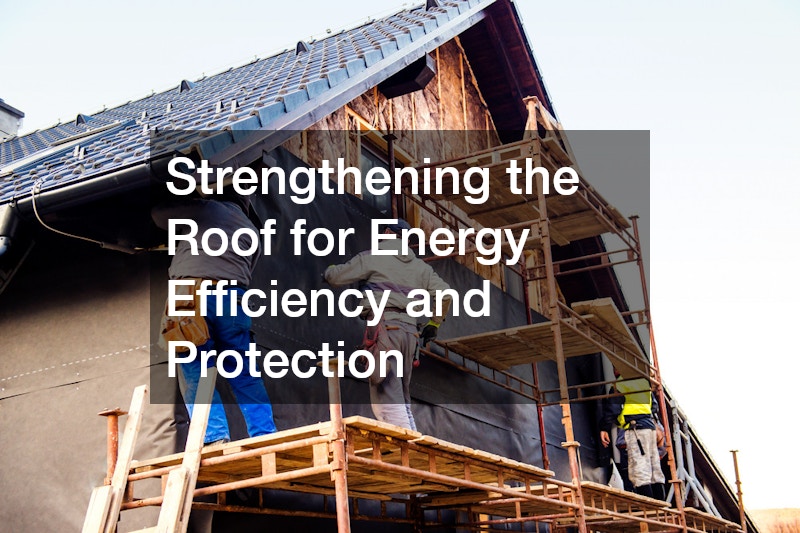
The roof plays a major role in regulating indoor temperature and protecting the structure from weather conditions. A poorly performing roof can lead to energy loss, moisture issues, and higher utility bills.
A qualified roofing contractor can assess whether repairs, ventilation improvements, or full replacement are needed to improve efficiency.
Important roof efficiency factors include:
- Proper insulation beneath roofing materials
- Adequate attic ventilation to prevent heat buildup
- High-quality, weather-resistant materials
- Regular inspection for leaks or weak spots
A well-maintained roof helps stabilize indoor temperatures year-round, reducing strain on heating and cooling systems. It also prevents moisture intrusion, which can damage insulation and reduce overall home performance.
Homeowners who invest in roof improvements often notice immediate improvements in comfort and energy savings.
Beyond these core elements, roof efficiency also depends on how well different components work together as a system rather than in isolation. For example, even high-quality shingles will underperform if attic airflow is blocked or if insulation is unevenly distributed. Heat naturally rises, and without proper ventilation channels, it becomes trapped in the attic, raising indoor temperatures and forcing HVAC systems to work harder than necessary.
Seasonal changes also play a major role in roof performance. In winter, ice dams can form when heat escapes through the roof and melts snow unevenly, leading to refreezing at the edges. In summer, excessive heat absorption can increase cooling demands significantly. Addressing these issues often requires a combination of reflective roofing materials, improved ventilation pathways, and properly sealed attic spaces.
Routine maintenance is equally important for long-term efficiency. Small issues such as lifted shingles, clogged gutters, or damaged flashing can quickly escalate into major problems if ignored. Regular professional evaluations help catch these concerns early, preventing structural damage and preserving insulation effectiveness.
Ultimately, a strong roofing system acts as a protective and energy-regulating layer that supports the entire home.
Improving Outdoor Surfaces for Better Daily Function
Maintaining Roof Systems for Long-Term Reliability
Designing Efficient Driveway and Entry Systems
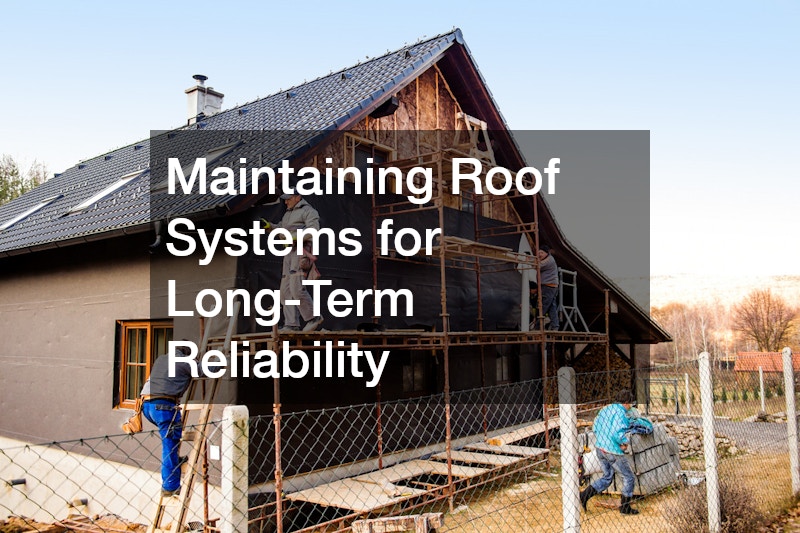
A driveway is more than a parking space—it is a key part of how people and vehicles interact with a property. Poor layout or construction can create inefficiencies that affect daily use.
A professional driveway paving contractor can help design a layout that improves traffic flow, durability, and drainage.
Key design considerations include:
- Proper width for vehicle movement
- Smooth transitions to roads and garages
- Reinforced edges to prevent cracking
- Slope planning for water runoff
A well-designed driveway reduces maintenance needs and improves the overall usability of outdoor space. It also helps prevent long-term damage caused by water accumulation or uneven settling.
Beyond these core design elements, long-term performance also depends on how well the driveway integrates with the surrounding landscape. Proper edging between paved and unpaved areas helps prevent erosion and keeps gravel or soil from washing onto the surface. In addition, incorporating expansion joints or flexible materials can reduce stress caused by temperature changes and heavy vehicle loads.
Lighting is another important factor often overlooked in driveway planning. Strategically placed lighting improves visibility at night, enhances safety for both pedestrians and drivers, and adds to the overall functionality of the entryway. Drainage systems such as channel drains or subtle grading adjustments can further protect the surface from standing water and ice formation.
When all of these elements are thoughtfully combined, the driveway becomes a durable, low-maintenance part of the property that supports daily convenience and long-term structural health.
Creating Comfortable Indoor Climate Control Systems
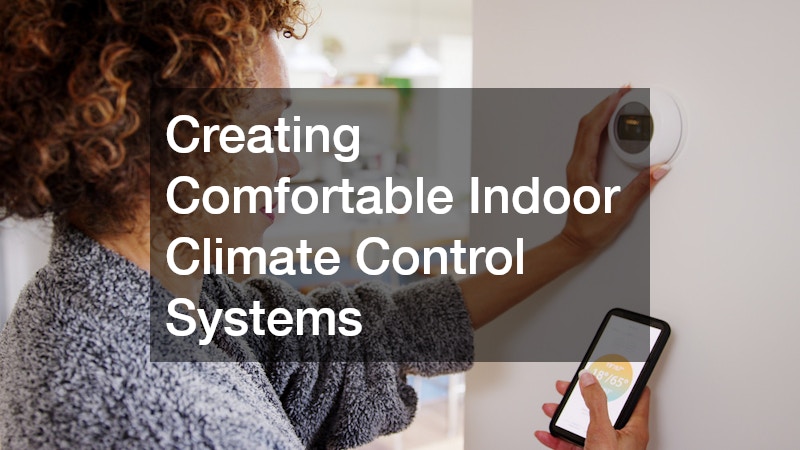
Indoor comfort depends heavily on how well a home manages heating, cooling, and airflow. Inefficient systems can lead to uneven temperatures, high energy bills, and poor air quality.
Professional ac services help ensure that HVAC systems are properly installed, maintained, and optimized for performance.
Improving indoor climate efficiency involves:
- Regular filter replacement and system cleaning
- Ensuring correct system sizing for the home
- Using programmable thermostats for better control
- Sealing ducts to prevent air loss
When HVAC systems operate efficiently, they reduce strain on equipment and maintain consistent comfort throughout the home.
Enhancing Thermal Efficiency Through Proper Insulation
Insulation plays a critical role in keeping indoor temperatures stable. Poor insulation allows heat to escape in winter and enter in summer, increasing energy usage.
Working with local insulation contractors ensures that problem areas are properly identified and addressed.
Key insulation improvements include:
- Sealing attic and crawl space gaps
- Upgrading outdated insulation materials
- Improving wall insulation for temperature control
- Reducing air leaks around windows and doors
Better insulation reduces energy consumption and creates a more comfortable indoor environment year-round.
Managing Outdoor Growth for Safety and Efficiency
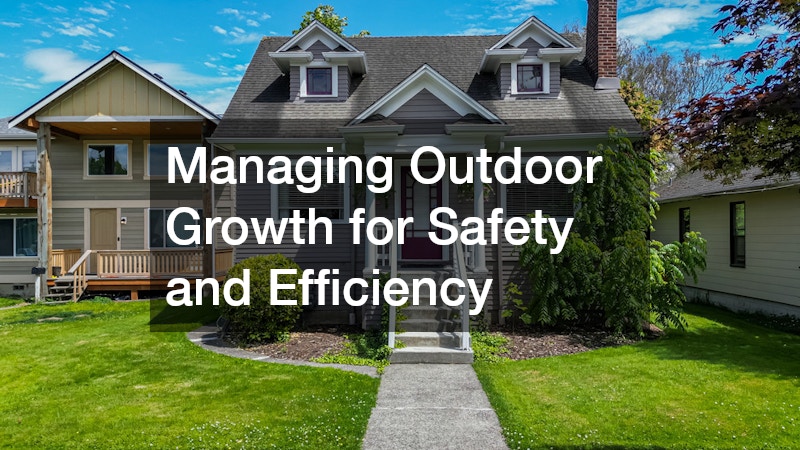
Trees and landscaping significantly affect how a property functions. While they provide shade and beauty, unmanaged growth can create safety risks and structural issues.
Tree companies help maintain healthy growth patterns and prevent hazards caused by overgrowth or instability.
Effective management includes:
- Regular trimming to prevent structural interference
- Monitoring root systems near foundations
- Maintaining safe distance from power lines
- Seasonal health assessments
Proper landscape management improves safety, enhances natural lighting, and prevents long-term property damage.
Removing Hazards and Improving Usable Space
Sometimes, trees or large vegetation become more of a liability than an asset. They may interfere with structures, block sunlight, or create safety risks during storms.
Professional tree removal ensures that hazardous or unnecessary growth is handled safely and efficiently.
Key benefits include:
- Reducing risk of property damage
- Improving space for construction or landscaping
- Preventing root damage to foundations and driveways
- Enhancing sunlight exposure for the home
Safe removal also helps homeowners reclaim usable outdoor space for more practical purposes.
Planning Homes for Long-Term Efficiency and Flexibility
Design decisions made during construction have long-lasting impacts on efficiency and functionality. Thoughtful planning can reduce energy costs, improve livability, and minimize future renovations.
A custom home builder helps align design choices with lifestyle needs and efficiency goals.
Important planning elements include:
- Open layouts that improve airflow and lighting
- Strategic placement of windows for natural energy use
- Integration of efficient mechanical systems
- Space planning for future expansion or changes
A well-designed home adapts over time, supporting changing needs while maintaining efficiency.
Building a more efficient and functional living space requires a holistic approach that considers every part of the property—from the ground it sits on to the systems that regulate comfort and the surrounding environment. When each component is designed and maintained with efficiency in mind, the result is a home that is easier to live in, less costly to operate, and more durable over time.
By focusing on thoughtful planning, regular maintenance, and professional guidance where needed, homeowners can create spaces that truly support long-term comfort and functionality.