
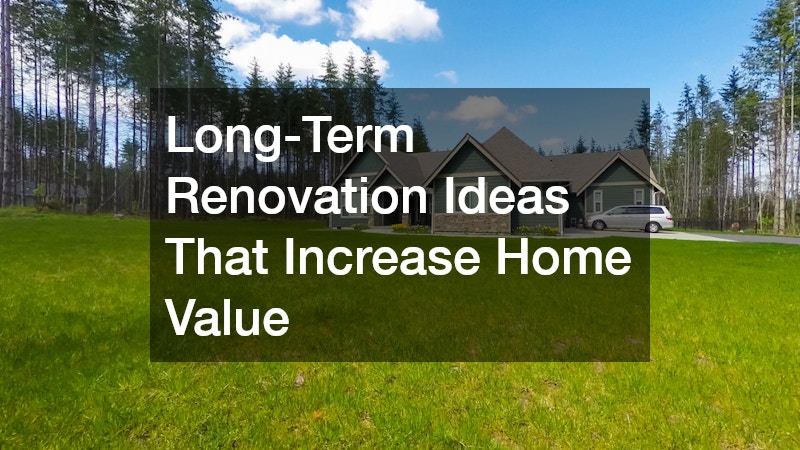
Long-term home improvement is less about quick visual upgrades and more about building a property that holds its value, performs efficiently, and requires fewer costly repairs over time. Homeowners who take a systems-based approach—thinking beyond paint colors and flooring—tend to see stronger resale value and lower maintenance stress.
Instead of reacting to breakdowns, strategic renovation focuses on upgrading core areas of the home before problems escalate. Kitchens and living spaces often get attention first, but the real value drivers are the systems behind the walls and above the ceilings. When these systems are modern, efficient, and well-maintained, everything else in the home performs better.
The following sections break down the most impactful long-term renovation ideas, focusing on practical improvements that increase comfort, reduce operating costs, and strengthen overall property value.
Creating a Functional and Modern Bathroom Space
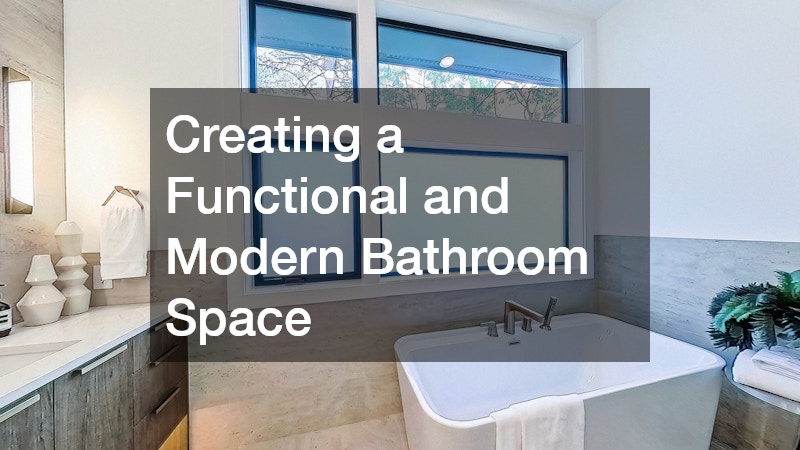
A well-planned bathroom upgrade is one of the most reliable ways to increase home value. Buyers consistently prioritize clean, modern, and functional bathrooms because they reflect the overall condition of the home. In many cases, the bathroom becomes a deciding factor during resale because it signals how well the property has been maintained overall.
A thoughtful bathroom remodel should go beyond surface aesthetics and focus on durability and efficiency. This means selecting materials and systems that can withstand daily use, humidity, and temperature changes without quickly deteriorating.
Key improvement areas include:
- Replacing outdated fixtures with water-efficient models
- Improving ventilation to prevent moisture damage
- Upgrading lighting for better visibility and ambiance
- Installing durable flooring that resists humidity
- Reconfiguring layout for better space usage
Each of these upgrades contributes to both function and long-term cost savings. For example, modern low-flow toilets and faucets significantly reduce water consumption without sacrificing performance. Better ventilation systems, such as high-capacity exhaust fans, help eliminate excess humidity that can lead to mold, peeling paint, and long-term structural issues behind walls.
Lighting is another often overlooked improvement. Layered lighting—combining overhead fixtures, vanity lighting, and accent lighting—can make a bathroom feel larger, cleaner, and more inviting. This kind of visual enhancement directly influences buyer perception during walkthroughs.
Small design decisions can have a large impact over time. For example, choosing low-maintenance materials reduces future repair costs, while improved lighting and ventilation help prevent mold growth and structural deterioration. Even selecting grout-resistant tile or quartz countertops instead of porous stone can significantly reduce upkeep requirements over the years.
A long-term approach also considers how the bathroom will age with the home:
- Neutral finishes tend to retain value better
- Walk-in showers improve accessibility and appeal
- Double vanities increase functionality in shared bathrooms
- Built-in storage reduces clutter and improves usability
- Slip-resistant flooring enhances safety for all ages
Additional upgrades such as frameless glass shower doors, soft-close cabinetry, and integrated shelving further improve both aesthetics and practicality. These features not only elevate daily comfort but also help the space remain relevant as design trends evolve.
Rather than focusing on trends, prioritize durability and efficiency. A well-executed bathroom upgrade not only enhances daily living but also strengthens buyer confidence during resale.
Maintaining Reliable Cooling Performance
Air conditioning systems play a major role in both comfort and energy efficiency. When cooling systems begin to decline, homeowners often overlook early warning signs, leading to higher repair costs later. Because cooling systems tend to degrade gradually, performance issues can be easy to dismiss until they become expensive or disruptive.
Timely ac repair helps maintain system efficiency and prevents minor issues from becoming major failures. Addressing problems early not only restores comfort but also reduces strain on the system’s most critical components, such as the compressor and blower motor, which are often the most costly to replace.
Common signs of cooling system problems include:
- Uneven temperatures throughout the home
- Rising energy bills without increased usage
- Weak airflow from vents
- Frequent cycling on and off
- Unusual noises during operation
In addition to these symptoms, homeowners may notice longer cooling cycles or rooms that never quite reach the desired temperature. These are often early indicators of reduced system efficiency or ductwork issues that should be evaluated promptly.
Addressing these issues early can extend the life of the system and reduce long-term costs. Preventative maintenance also plays a critical role in performance stability. A system that is regularly inspected and serviced is far less likely to experience sudden breakdowns during peak summer demand.
Practical steps to improve cooling efficiency:
- Replace air filters regularly
- Clean condenser coils annually
- Ensure proper insulation around ducts
- Keep outdoor units clear of debris
- Check refrigerant levels during seasonal tune-ups
- Seal air leaks around windows and duct connections
Homeowners who follow a consistent maintenance schedule often experience more stable indoor temperatures and fewer emergency service calls. Even small improvements, such as clearing vegetation around the outdoor unit, can significantly improve airflow and system performance.
Investing in system upkeep ensures consistent indoor comfort and helps avoid premature system replacement. Over time, efficient cooling systems contribute significantly to overall property value by reducing utility expenses and improving livability. A well-maintained system also enhances buyer confidence, since HVAC performance is one of the first things evaluated during home inspections.
Strengthening Roof Structure and Protection
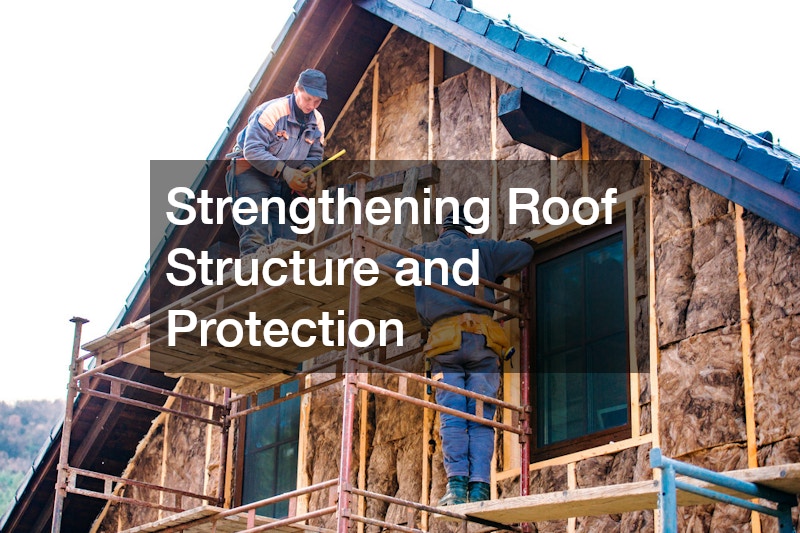
The roof is one of the most important structural components of any home. It protects against weather damage, improves insulation, and directly impacts energy efficiency. Because it serves as the first line of defense against the elements, even minor roofing issues can quickly escalate into major interior problems if left unaddressed.
A strong focus on residential roofing ensures long-term durability and reduces the risk of costly interior damage caused by leaks or deterioration. Beyond preventing water intrusion, a well-maintained roof also supports proper ventilation in the attic, which helps regulate indoor temperatures and reduces strain on heating and cooling systems.
Proper maintenance should include:
- Regular inspections for missing or damaged shingles
- Checking flashing around chimneys and vents
- Clearing debris from valleys and gutters
- Monitoring for signs of water intrusion
It is also important to inspect attic spaces periodically for damp insulation, discoloration, or musty odors, which can indicate hidden leaks. Even small vulnerabilities in roofing materials can allow moisture to penetrate over time, leading to wood rot, mold growth, and insulation damage.
When issues are identified early, roofing services can extend the lifespan of the structure significantly. Preventative care is far more cost-effective than emergency repairs, especially when it helps avoid secondary damage to ceilings, walls, and electrical systems inside the home.
Homeowners should also consider environmental factors such as:
- Heavy rainfall or snow accumulation
- High winds or storm exposure
- Temperature fluctuations that cause material expansion
- UV exposure that accelerates shingle aging
- Ice dam formation in colder climates
Each of these conditions places different stress points on a roof system, making regular inspections even more important in areas with seasonal extremes. Choosing appropriate materials for the local climate can also significantly improve durability and reduce maintenance needs.
A proactive approach ensures the roof continues performing efficiently and protects the rest of the home from avoidable damage. Strong roofing systems are a key selling point in real estate because they reduce future risk for buyers and provide peace of mind during inspections and appraisals.
When Full Roof Replacement Becomes Necessary
At a certain point, repairs are no longer sufficient to maintain roof integrity. Aging materials, repeated leaks, or structural weakening may indicate the need for a complete upgrade.
A roof replacement is a major investment, but it significantly improves home value and long-term durability.
Signs that replacement may be necessary include:
- Widespread shingle deterioration
- Persistent leaks despite repairs
- Sagging roof structure
- Excessive granule loss from shingles
- Age beyond typical material lifespan
Modern roofing materials offer improved energy efficiency, durability, and weather resistance compared to older systems.
Benefits of full replacement:
- Better insulation and reduced energy costs
- Increased structural reliability
- Improved curb appeal
- Higher resale value
Choosing high-quality materials ensures the roof lasts longer and performs better under extreme weather conditions. While the upfront cost is higher, the long-term financial return often outweighs repeated repair expenses.
Improving Home Efficiency Through Smart Climate Controls
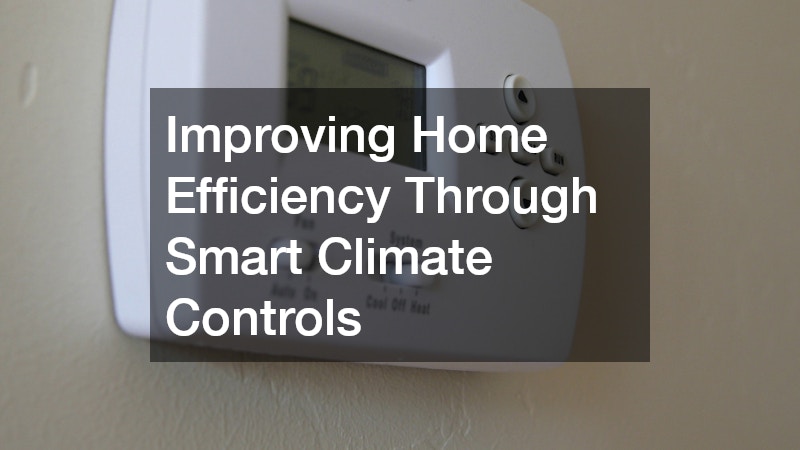
Modern homes benefit significantly from intelligent climate systems that optimize energy use. Upgrading temperature control is one of the simplest ways to improve efficiency without major structural changes.
A professional thermostat installation service enables homeowners to better regulate indoor temperatures and reduce energy waste.
Key advantages include:
- Automated temperature adjustments based on usage patterns
- Remote control through mobile devices
- Energy usage tracking and optimization
- Reduced strain on heating and cooling systems
Smart thermostats also help maintain consistent indoor comfort, reducing unnecessary system cycling. Over time, this leads to lower utility bills and less wear on HVAC equipment.
Additional benefits:
- Integration with other smart home systems
- Custom scheduling for daily routines
- Improved environmental efficiency
These upgrades are relatively low-cost but provide long-term financial and functional returns, making them a high-impact renovation choice.
Upgrading Heating Systems for Long-Term Efficiency
Heating systems are essential for comfort, especially in colder climates. As systems age, they become less efficient and more expensive to operate.
A strategic heating replacement improves both performance and energy efficiency.
Warning signs of an aging system:
- Inconsistent heating across rooms
- Increasing utility costs
- Frequent repairs or breakdowns
- Strange odors or noises during operation
Modern heating systems are designed to use less energy while delivering more consistent heat distribution.
Benefits of upgrading include:
- Improved indoor air quality
- Lower monthly energy bills
- Reduced maintenance requirements
- Better temperature control
Efficient heating systems also reduce strain on other home components, helping maintain overall property health. This type of upgrade is especially valuable for long-term homeowners looking to reduce operational costs.
Enhancing Whole-Home Climate Performance
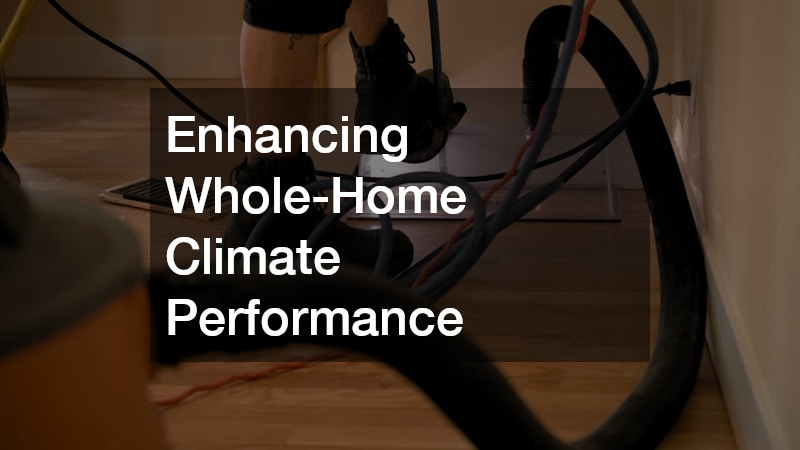
A comprehensive evaluation of heating and cooling systems helps identify inefficiencies that may not be obvious individually.
A professional HVAC Service assessment provides a full overview of system performance and identifies opportunities for optimization.
Key components evaluated include:
- Airflow distribution throughout the home
- System energy efficiency ratings
- Ductwork condition and insulation
- Equipment age and performance levels
Regular servicing helps:
- Prevent unexpected breakdowns
- Extend equipment lifespan
- Improve air quality
- Maintain consistent comfort levels
A well-maintained climate system is one of the strongest contributors to long-term home value because it impacts daily living conditions and ongoing expenses.
Updating Core Water Systems in the Home
Plumbing systems are often overlooked until problems arise, but outdated or inefficient systems can cause significant damage and expense over time.
Modern plumbing upgrades improve reliability and reduce long-term maintenance risks.
Common improvement areas include:
- Replacing aging pipes
- Upgrading outdated fixtures
- Improving water pressure consistency
- Addressing hidden leaks
Preventative maintenance is key to avoiding water damage, which can be extremely costly to repair.
Benefits of updated plumbing systems:
- Reduced risk of leaks and flooding
- Improved water efficiency
- Better long-term durability
- Increased home inspection scores during resale
Reliable water systems are essential for both comfort and structural protection, making them a critical part of any long-term renovation strategy.
Improving Hot Water System Performance
Hot water systems play a central role in daily home functionality. When they become inefficient, energy usage increases and performance declines.
Upgrading water heaters ensures consistent hot water availability while improving energy efficiency.
Key considerations include:
- System size relative to household demand
- Energy efficiency ratings
- Tank vs. tankless configurations
- Maintenance requirements
Modern systems provide:
- Faster heating recovery times
- Lower energy consumption
- More consistent water temperatures
- Reduced space requirements in some models
Regular maintenance can extend system lifespan, but older units often become inefficient enough that replacement is more cost-effective in the long term.
Integrating Renovations for Maximum Home Value
Long-term value is not created by isolated upgrades but by how well all systems work together. A coordinated renovation strategy ensures that improvements complement each other rather than operate independently.
For example:
- Efficient heating and cooling systems reduce strain on energy usage overall
- Updated plumbing supports better appliance performance
- Structural improvements protect interior investments
Prioritizing upgrades should be based on:
- System age and condition
- Energy efficiency impact
- Cost versus long-term return
- Risk of failure or damage
Homeowners who take a structured approach to renovation typically experience:
- Lower maintenance costs over time
- Higher property resale value
- Improved daily comfort
- Fewer unexpected repairs
A well-planned home is easier to maintain, more efficient to operate, and more attractive to future buyers.
Long-term home value is built through careful planning, consistent maintenance, and strategic upgrades to essential systems. Rather than focusing solely on appearance, homeowners benefit most when they invest in the underlying structure and functionality of the property.
When core systems operate efficiently and reliably, the entire home performs better, costs less to maintain, and holds stronger appeal in the real estate market. A forward-thinking renovation approach ensures that improvements today continue delivering value for years to come.