
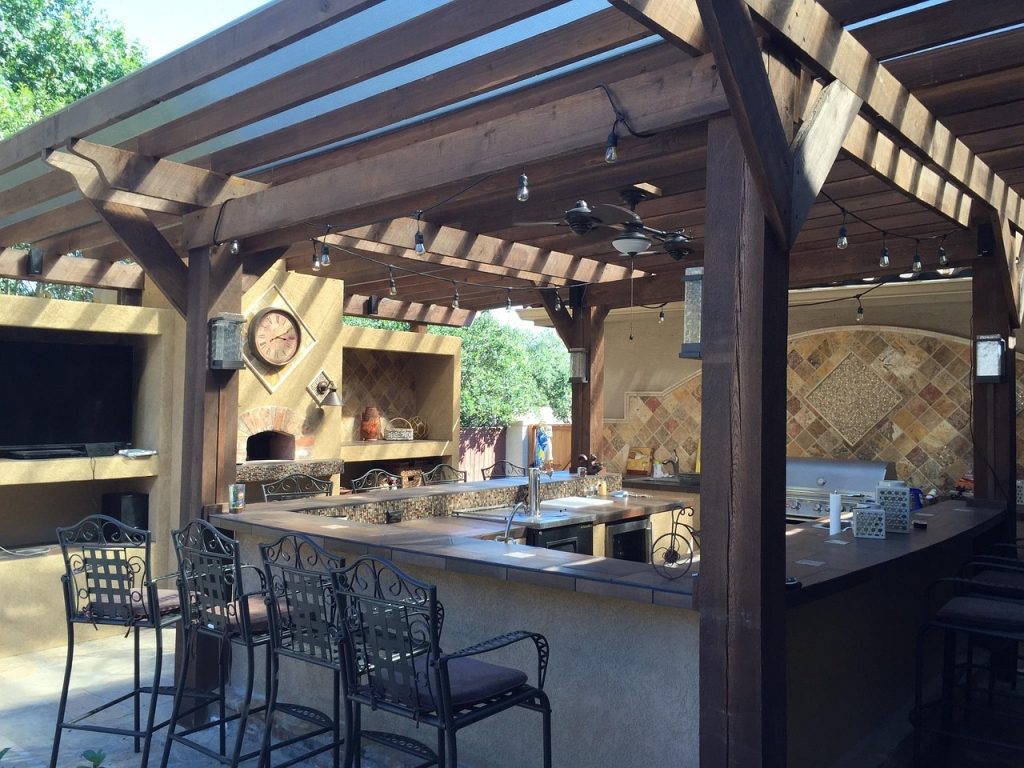
- Minimalist outdoor kitchens focus on functionality, clean lines, and clutter-free design, making them ideal for small modern spaces.
- Smart layouts such as linear, L-shaped, and corner designs help maximize space while maintaining an efficient cooking workflow.
- Durable, weather-resistant materials like concrete, stainless steel, and composite surfaces ensure longevity and low maintenance.
- Concealed storage and multi-functional furniture are essential for keeping the kitchen organized without compromising aesthetics.
- Compact, integrated appliances provide full cooking capability while preserving the minimalist look and saving space.
- Neutral color palettes and layered lighting enhance openness, create ambiance, and reinforce modern minimalist style.
Outdoor kitchens have evolved from luxury additions into practical lifestyle upgrades for modern homeowners. As living spaces become more compact and design preferences shift toward simplicity, minimalist outdoor kitchens are gaining popularity. They combine functionality, clean aesthetics, and efficient use of space, making them ideal for contemporary homes with limited outdoor areas.
A minimalist small outdoor kitchen focuses on intentional design. Every feature serves a purpose, unnecessary clutter is removed, and materials are carefully selected to create a cohesive and calming space. Whether installed in a backyard, patio, balcony, or rooftop, these kitchens can transform outdoor cooking into a stylish and enjoyable experience.
This guide explores design strategies, layout ideas, materials, appliances, storage solutions, and styling tips that help homeowners build a practical yet elegant minimalist outdoor kitchen.
Why Minimalist Outdoor Kitchens Are Perfect for Modern Homes
Modern homeowners are increasingly drawn to minimalist design because it emphasizes simplicity without sacrificing comfort. A minimalist outdoor kitchen aligns perfectly with this philosophy by prioritizing functionality, clean lines, and efficient space utilization. Even small outdoor areas can feel open and sophisticated when clutter is minimized and essential features are carefully chosen.
Another reason for their popularity is versatility. Minimalist outdoor kitchens adapt well to various architectural styles, including contemporary, Scandinavian, industrial, and tropical modern homes. The restrained color palette and streamlined design also make maintenance easier, allowing homeowners to enjoy their space without constant upkeep.
Additionally, minimalist outdoor kitchens support sustainable living. By using durable materials, energy-efficient appliances, and space-saving layouts, homeowners can reduce waste while creating a practical cooking environment that complements modern lifestyles.
Key Benefits
- Space optimization in compact outdoor areas
- Reduced visual clutter and stress
- Lower maintenance requirements
- Improved functionality and workflow
- Timeless aesthetic appeal
Essential Principles of Minimalist Small Outdoor Kitchen Ideas
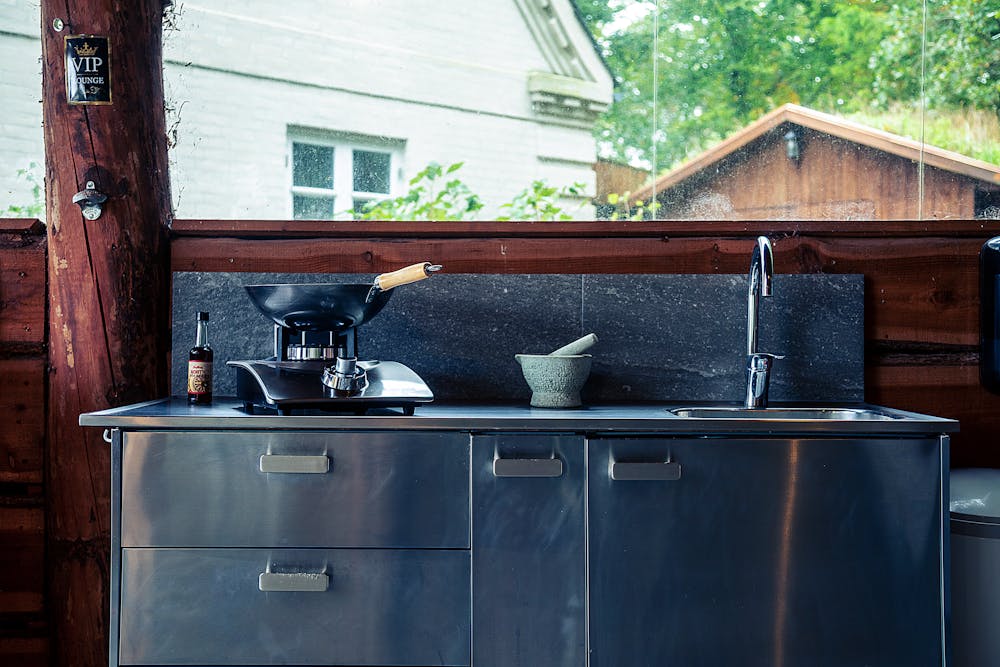
Designing a minimalist outdoor kitchen involves more than simply reducing décor. It requires thoughtful planning to ensure that every element contributes to functionality and visual harmony. The core principles revolve around intentional design, material consistency, and efficient space usage.
A successful minimalist outdoor kitchen balances aesthetics and practicality. Neutral colors, streamlined cabinetry, and concealed storage create a calm atmosphere while maintaining essential cooking capabilities. At the same time, durable materials ensure longevity despite exposure to outdoor conditions.
Homeowners should also focus on layout efficiency. In small spaces, strategic placement of appliances, counters, and storage areas can significantly improve usability. The goal is to create a cooking environment that feels open, organized, and easy to navigate.
Core Minimalist Design Principles
- Clean lines and simple geometry
- Neutral or monochromatic color palettes
- Multi-functional furniture and fixtures
- Hidden or integrated storage solutions
- Durable, weather-resistant materials
What Are the Best Layouts for a Small Minimalist Outdoor Kitchen?
Choosing the right layout is essential when designing a small outdoor kitchen. The layout determines workflow efficiency, accessibility, and the overall perception of space. Minimalist designs benefit from layouts that reduce visual clutter while maximizing functionality.
Small outdoor kitchens typically work best with linear, L-shaped, or corner configurations. These layouts allow homeowners to incorporate essential features without overwhelming the space. A carefully planned layout also improves cooking efficiency by minimizing unnecessary movement between preparation, cooking, and serving areas.
Another consideration is traffic flow. Outdoor kitchens often double as entertainment spaces, so layouts should allow guests to move comfortably without interfering with cooking activities. This balance between usability and openness is key to successful minimalist design.
Popular Layout Options
Linear Layout
- Ideal for narrow patios or balconies
- Keeps appliances and counters in one streamlined row
- Creates a visually clean and uncluttered look
L-Shaped Layout
- Maximizes corner space
- Provides additional prep area without increasing footprint
- Supports efficient cooking workflow
Corner Kitchen
- Perfect for small backyards
- Frees up central outdoor space for seating or landscaping
- Enhances privacy and intimacy
Must-Have Features for Minimalist Small Outdoor Kitchen Ideas
While minimalist kitchens avoid excess features, certain essentials are necessary for functionality. The key is selecting compact, multi-purpose elements that deliver maximum value without overwhelming the design. A minimalist outdoor kitchen should support basic cooking, preparation, storage, and serving needs while maintaining visual simplicity.
Compact grills, streamlined countertops, and integrated sinks are common features. Built-in appliances are especially useful because they reduce visual clutter and improve durability. Additionally, foldable or extendable counters can enhance flexibility without permanently occupying space.
Lighting also plays an important role. Subtle LED strips, recessed fixtures, and task lighting enhance usability while preserving the minimalist aesthetic. These features contribute to both safety and ambiance.
Essential Features Checklist
- Compact grill or cooktop
- Weather-resistant countertop
- Integrated sink with concealed plumbing
- Minimalist storage cabinets
- Task and ambient lighting
- Small prep surface or foldable extension
Choosing the Right Materials for a Sleek Modern Look
Material selection significantly impacts the durability and visual appeal of a minimalist outdoor kitchen. Because outdoor environments expose surfaces to moisture, heat, and sunlight, homeowners must prioritize weather-resistant materials that maintain their appearance over time. Minimalist design also benefits from materials that emphasize texture rather than ornamentation.
Concrete, stainless steel, natural stone, and composite materials are popular choices. These materials offer durability while maintaining clean and modern aesthetics. For cabinetry, marine-grade polymer and powder-coated aluminum provide resistance to rust and moisture.
Consistency in material use is crucial. Limiting the palette to two or three complementary materials helps maintain visual harmony and reinforces the minimalist concept. This approach creates a cohesive space that feels both elegant and practical.
Recommended Materials
- Concrete for countertops and bases
- Stainless steel for appliances and fixtures
- Natural stone for accent surfaces
- Composite decking for flooring
- Powder-coated aluminum cabinetry
How to Maximize Storage Without Creating Clutter
Storage is often challenging in small outdoor kitchens, yet it remains essential for maintaining organization. Minimalist design encourages concealed storage solutions that keep tools and accessories out of sight while ensuring accessibility. This approach prevents visual clutter and preserves a clean aesthetic.
Vertical storage is particularly effective in compact spaces. Wall-mounted cabinets, magnetic tool strips, and open shelves with uniform containers can increase storage capacity without occupying valuable floor space. Pull-out drawers and hidden compartments also enhance efficiency while maintaining a streamlined design.
Homeowners should adopt a decluttering mindset. Keeping only essential cooking tools and accessories ensures that storage areas remain manageable and functional. Regular organization further supports the minimalist philosophy.
Smart Storage Ideas
- Built-in cabinets with flat-panel doors
- Pull-out drawers for utensils and cookware
- Wall-mounted shelves for frequently used items
- Hidden trash and recycling compartments
- Multi-functional benches with storage space
Appliances That Fit Minimalist Outdoor Kitchens
Selecting the right appliances is essential for maintaining functionality without overcrowding the space. Minimalist outdoor kitchens benefit from compact, integrated appliances that deliver performance while preserving visual simplicity. Built-in grills, induction cooktops, and slim refrigerators are excellent choices for small outdoor spaces.
Energy efficiency and durability should also guide appliance selection. Outdoor-rated appliances designed to withstand weather conditions provide long-term reliability and reduce maintenance concerns. Additionally, multi-functional appliances can replace multiple single-use devices, saving space and enhancing convenience.
Technology integration is another growing trend. Smart grills, portable induction burners, and energy-efficient cooling units allow homeowners to enjoy advanced cooking capabilities without compromising minimalist design.
Appliance Recommendations
- Compact built-in grill
- Portable induction cooktop
- Slim outdoor refrigerator
- Small sink with integrated faucet
- Multi-purpose smoker or griddle
Lighting and Color Strategies for Minimalist Outdoor Kitchens
Lighting and color play a significant role in shaping the ambiance of a minimalist outdoor kitchen. Neutral tones such as white, gray, beige, and black create a timeless foundation that complements modern homes. These colors also reflect light effectively, making small spaces appear larger and more open.
Layered lighting enhances functionality while preserving aesthetic simplicity. Task lighting ensures safe cooking, ambient lighting creates atmosphere, and accent lighting highlights architectural features. LED strips and recessed fixtures are particularly effective because they provide illumination without visual clutter.
Natural light should also be maximized. Positioning the kitchen to take advantage of daylight can reduce energy consumption and enhance the outdoor experience. Incorporating reflective surfaces further amplifies brightness.
Lighting Tips
- Use warm LED strips under countertops
- Install recessed lighting for subtle illumination
- Add pendant lights with simple geometric designs
- Highlight textures with soft accent lighting
Budget-Friendly Minimalist Outdoor Kitchen Ideas
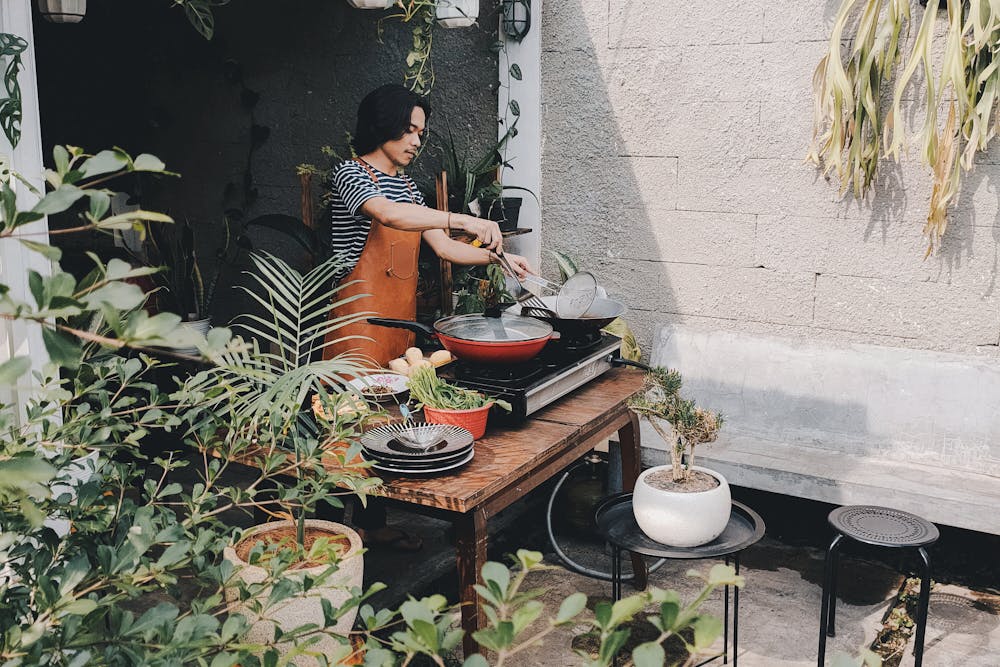
Creating a minimalist outdoor kitchen does not require a large budget. Strategic planning and creative design choices can help homeowners achieve a stylish and functional space without overspending. The minimalist philosophy itself supports cost efficiency by focusing on essential features and avoiding unnecessary décor.
DIY solutions can significantly reduce expenses. Concrete countertops, pallet-based cabinetry, and portable appliances provide affordable alternatives to custom installations. Repurposing indoor furniture for outdoor use is another practical approach, especially when combined with weatherproof treatments.
Phased installation is also effective. Homeowners can start with essential components and gradually add features over time. This approach spreads costs while allowing flexibility in design evolution.
Budget-Saving Ideas
- Use prefabricated modular cabinets
- Install DIY concrete countertops
- Choose portable appliances instead of built-ins
- Repurpose furniture with weatherproof finishes
- Limit decorative elements to a few statement pieces
Styling Tips to Maintain a Minimalist Aesthetic
Styling a minimalist outdoor kitchen involves restraint and intentionality. Instead of excessive decoration, homeowners should focus on a few carefully selected elements that enhance visual interest without overwhelming the space. Natural textures, greenery, and subtle accessories can add warmth while preserving simplicity.
Functional décor works best in minimalist spaces. Items such as herb planters, wooden cutting boards, and ceramic containers provide both utility and aesthetic appeal. Coordinating colors and materials further reinforces visual harmony.
Regular maintenance is essential for preserving the minimalist look. Keeping surfaces clean, organizing tools, and periodically decluttering ensures that the kitchen remains inviting and visually balanced.
Styling Ideas
- Incorporate small herb gardens
- Use matching containers and cookware
- Add a single statement plant
- Choose simple outdoor seating with neutral tones
- Introduce textured fabrics like linen cushions
Conclusion
Minimalist small outdoor kitchens offer an ideal solution for modern homeowners seeking style, functionality, and efficient use of space. By focusing on clean design, durable materials, and essential features, these kitchens transform compact outdoor areas into practical cooking and entertainment zones.
Successful minimalist design requires thoughtful planning, from selecting the right layout and appliances to incorporating smart storage and subtle lighting. With intentional choices and creative solutions, homeowners can build outdoor kitchens that feel spacious, organized, and visually appealing.
Ultimately, minimalist outdoor kitchens reflect contemporary living priorities—simplicity, sustainability, and purposeful design. Whether built on a tight budget or as part of a high-end renovation, these kitchens provide a timeless and enjoyable outdoor experience that enhances modern homes.