
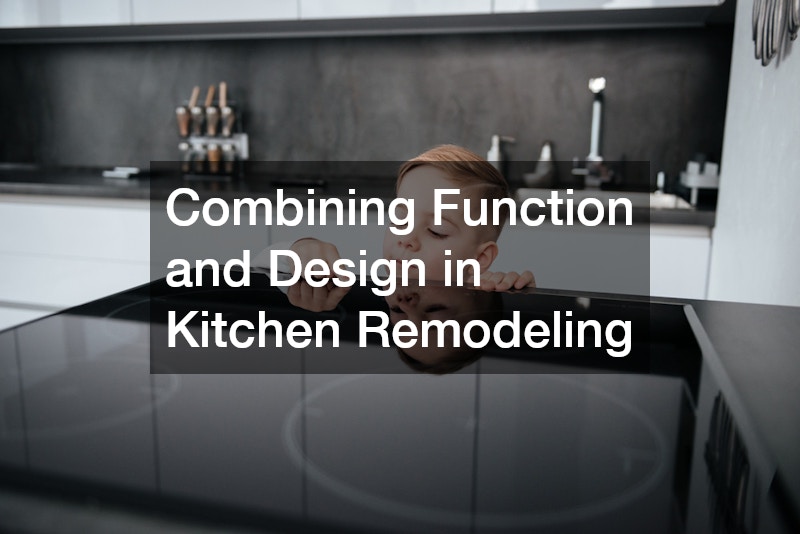
A kitchen renovation is no small task and requires extensive planning to ensure success. Careful attention to design, functionality, and long-term efficiency can transform a kitchen space, making it not only aesthetically pleasing but also a highly efficient workspace. Beyond looks, a thoughtfully designed kitchen enhances daily routines, reduces frustration during meal prep, and supports family life and entertaining. This article will provide you with actionable tips to navigate the remodeling process with ease and finesse while achieving a balance between beauty and practicality.
Before diving into your kitchen remodel, understanding the scope and potential impact of the renovation is essential. The right design choices can elevate your kitchen in terms of usability, energy efficiency, and workflow while simultaneously increasing the home’s overall value. A well-planned renovation enables a seamless transition from planning to execution, minimizing stress and ensuring that the outcome aligns with both functional needs and personal style preferences.
The scope of this article will equip you with practical insights to tackle each stage of your kitchen remodeling journey. Readers can expect detailed guidelines and industry-specific advice, focusing on effective collaboration with professionals, smart budgeting, and making informed design choices. Whether you are a DIY enthusiast or prefer professional guidance, these tips will lay a solid foundation for a project that maximizes efficiency, safety, and long-term satisfaction while transforming your kitchen into the heart of your home.
Assessing Your Needs Before Renovation

Before embarking on your kitchen remodeling journey, it’s crucial to evaluate your current kitchen layout. Understanding how space is utilized allows you to pinpoint inefficiencies and areas that require upgrading. Evaluating workflow, storage, and even lighting can highlight potential changes that improve both functionality and space utilization, making everyday tasks easier and more enjoyable. Observing how family members interact with the space often reveals overlooked pain points that may affect future design decisions.
Once a comprehensive assessment is completed, prioritize upgrades that render the greatest usability and efficiency improvements. This involves focusing efforts on components such as cabinetry, countertop space, and appliance configuration. Considering how frequently each area is used can help determine where investment is most impactful. By categorizing needs into must-haves and nice-to-haves, steps towards an ideal kitchen that fits your lifestyle become achievable, ensuring that both budget and practicality are optimized in the planning stage.
Collaborating with skilled kitchen designers can significantly influence the remodeling outcome by integrating form with function. Their expertise ensures that your personal preferences are balanced with practical solutions that enhance daily kitchen activities. Experienced designers can also suggest innovative layouts, storage solutions, and material choices that homeowners might not have considered.
Planning for Air Quality and Ventilation
Air quality is a paramount consideration in kitchen planning, as the presence of smoke, odors, and grease can threaten indoor comfort and health. Proper ventilation systems play a pivotal role in maintaining a fresh environment within the kitchen space. Prioritizing this aspect in your kitchen remodel prevents potential long-term issues and enhances the overall kitchen experience.
Selecting and installing effective filtration systems not only improves air quality but also aligns with energy efficiency goals. Incorporating ventilation solutions resembling a restaurant filter can offer superior results by efficiently managing airborne particles. Consulting with HVAC companies can guide choices around ventilation options that suit kitchen size and cooking habits.
Adequate planning ensures the timely integration of the chosen system, minimizing interruptions and potential retrofitting costs. Proactive ventilation installation supports sustainability by reducing energy consumption and preserving indoor air quality. The inclusion of HVAC companies streamlines the process by leveraging professional insights into system selection and maintenance.
Choosing the Right Plumbing Solutions
Plumbing is an integral component of any kitchen remodel, requiring a clear understanding of current and future needs. Sinks, dishwashers, and water filtration systems are components requiring thoughtful planning to ensure efficiency. Evaluating the plumbing layout provides insight into potential modifications and updates necessary during remodeling. For example, integrating advanced water filtration solutions, such as a restaurant filter system, can improve water quality and support modern cooking needs.
Engaging with a qualified plumber is crucial for a seamless installation process and minimizing disruptions. Certified plumbers possess the knowledge needed to manage complex installations while adhering to building codes and safety standards. Coordinating plumbing work with HVAC companies can further enhance overall kitchen functionality, ensuring that both water and air systems operate efficiently and harmoniously. This partnership mitigates the risks of mistakes and ensures that the plumbing systems function flawlessly post-renovation.
Careful plumbing planning not only supports immediate project goals but also extends the kitchen’s functionality to adapt to lifestyle changes. Strategically designed plumbing solutions create a foundation for enduring utility and performance while complementing other systems in the home.
Electrical Planning and Safety

Electrical planning forms a vital pillar of a well-rounded kitchen remodel that focuses on maximizing efficiency and safety. Understanding the detailed requirements for outlets, lighting, and appliance connections is paramount to accommodating modern technology needs. A comprehensive plan supports strategic positioning of elements, optimizing power supply and accessibility throughout the kitchen.
Hiring professionals for local electrical repairs ensures that work aligns with safety standards and minimizes risk. Efficient scheduling can reduce downtime during remodeling, allowing for smooth project progression. Coordination with certified electricians facilitates careful integration of electrical systems without delays that stress project timelines.
Additionally, planning for future technology upgrades can prevent costly rewiring down the line. Incorporating smart home features, charging stations, or additional appliance circuits requires early coordination with local electrical repairs specialists. These experts can evaluate the current wiring, identify potential hazards, and recommend upgrades that align with both safety standards and the kitchen’s evolving functionality, ensuring a seamless integration of modern conveniences.
Fire Safety and Code Compliance
Ensuring fire safety and code compliance is a fundamental obligation during kitchen remodeling, safeguarding family and property. Fire sprinkler installation within kitchens is often recommended to provide immediate response during an emergency. Sprinkler systems contribute to an added layer of protection, reducing potential fire damage.
Steps towards achieving local building code compliance include understanding specific requirements and aligning renovation plans accordingly. Building codes address various safety components, including electrical, structural, and material specifications. Professional assistance ensures that all regulations are met, mitigating potential legal and financial liabilities.
In addition, integrating fire sprinkler installation with other safety systems, such as smoke detectors and emergency lighting, provides comprehensive protection. Early planning ensures that sprinkler placement is both effective and discreet, minimizing interference with cabinetry, lighting, and design aesthetics. This proactive approach safeguards not only the kitchen but the entire home, offering peace of mind to homeowners while enhancing compliance with safety regulations.
Flooring Choices That Last
Flooring forms a crucial design element in any high-traffic kitchen, demanding choices that prioritize durability and aesthetics. Comparing materials such as tile, hardwood, and laminate provides insights into longevity, maintenance requirements, and visual appeal. The right choice caters to personal tastes while complementing the overall theme and function of the kitchen.
Partnering with a residential flooring company can assist in material selection and provide expert installation services that maximize flooring lifespan. This collaboration ensures that the chosen materials align with practical requirements, including ease of cleaning and resistance to wear. Long-lasting solutions simplify maintenance efforts and uphold the kitchen’s appearance.
Regular maintenance and cleaning are essential to preserve the “like-new” quality of kitchen flooring across its lifespan. Consistent upkeep extends the visual appeal and functionality of the flooring, contributing to overall kitchen satisfaction.
Maximizing Natural Light and Views

The clever use of natural light significantly influences a kitchen’s ambiance and energy efficiency. Strategic window placement can enhance natural light penetration, creating an inviting and open atmosphere. It reflects the synergy between nature and interior spaces, optimizing visual comfort while reducing reliance on artificial lighting.
Understanding the pros and cons of different window styles and window replacements allows for informed decision-making. Options such as bay or casement windows deliver unique benefits in terms of illumination and external view accessibility. Considering the long-term durability and energy efficiency of window replacements helps homeowners choose solutions that complement both aesthetics and function.
Installation tips emphasize professional handling to ensure secure and aesthetically pleasing window integration. Effective collaboration with experienced installers achieves seamless transitions, supporting functional and visual enhancement of the kitchen. Emphasizing light and views contributes to a more dynamic and uplifting renovation result.
Adding Style and Function with Window Treatments
Window treatments strike a balance between allowing natural light in and maintaining privacy within a kitchen space. The choice of coverings is pivotal in modulating light, with options ranging from curtains to blinds meeting varied stylistic and functional needs. By strategically selecting and implementing coverings, the kitchen ambiance can be enhanced.
Wood blinds are a timeless option, offering durability and easy maintenance while complementing many design schemes. These treatments are ideal for adjusting light levels and promoting energy efficiency by insulating windows. By implementing wood blinds, homeowners can realize a marriage of form and functionality.
Regular care and thoughtful placement of wood blinds can further enhance both style and functionality in the kitchen. Choosing finishes that complement cabinetry or countertop tones creates visual harmony, while adjustable slats allow precise control over light and privacy. Well-maintained wood blinds also add long-term value and durability to the space.
Integrating Design and Workflow
Striving for a seamless blend of design and workflow is essential for an ergonomic and visually pleasing kitchen. Effective collaboration with kitchen designers can blend space usage with creative design elements, producing harmonious settings. Professionals bring expertise to align furniture, cabinetry, and fixture placement with the homeowner’s vision.
Optimizing cabinet layouts, counter spaces, and appliance placement results in an intuitive workspace that supports cooking and meal preparation. Decisions around these topics bear influence beyond aesthetics, embodying functionality and ergonomics. Thoughtful planning recognizes the workflow necessary for both daily use and special gatherings.
Collaboration fosters environments where design transcends mere appearances, enveloping practical enhancements in home life. The synergy of design and functionality leads to spaces that encourage creativity and comfort in culinary experiences. Additionally, involving kitchen designers early in the decision-making process can introduce innovative storage solutions, lighting strategies, and material choices that homeowners might not have considered. Their guidance ensures that the kitchen functions efficiently while maintaining a cohesive, stylish aesthetic throughout the space.
Staying on Budget and Timeline

Efficient budget and timeline management form the backbone of a successful kitchen remodel. Strategies to manage costs include detailed financial planning and prioritization of essential upgrades. Regular monitoring against milestones ensures that the project proceeds without unnecessary delays or budget overruns.
Coordination of multiple contractors, like plumbers and HVAC companies, requires meticulous scheduling, where transparency and communication prevent logistical issues. Establishing processes for feedback and adjustments minimizes miscommunication and strengthens project continuity. Working with a project manager may provide an organized approach to overseeing concurrent workflow activities.
Additionally, successful kitchen remodeling depends on synchronizing work across trades to avoid bottlenecks. For example, coordinating the plumber’s schedule with HVAC companies ensures that water lines, ventilation, and electrical connections are installed efficiently, preventing delays. Regular check-ins and clear communication across all contractors help maintain adherence to budget and timeline, reducing surprises and ensuring a smooth, predictable renovation process.
Revisiting the key steps in a successful kitchen remodel highlights the importance of careful planning, strategic execution, and collaboration. Meticulous preparation, contractor selection, and design alignment ensure each stage of the remodel proceeds seamlessly while staying on schedule and within budget. Prioritizing safety, efficiency, and aesthetics fosters a kitchen that is not only visually appealing but also functional, adaptable, and suited for long-term use.
Empowering homeowners with knowledge allows the remodeling process to be approached with confidence and strategic intent. By leveraging professional expertise and coordinating trades like plumbing, HVAC, and electrical work, complex tasks become manageable, reducing stress and unexpected challenges. A well-executed renovation also enhances everyday life, turning cooking, entertaining, and daily routines into a more enjoyable experience.
Approaching a kitchen remodel with clarity, thorough planning, and guided expectations maximizes both the immediate and lasting benefits of the project. Thoughtful design and practical upgrades create environments where style and functionality coexist harmoniously. Engaging professionals and maintaining structured oversight throughout the journey ensures that your vision evolves into a tangible reality, resulting in a kitchen space that supports daily life, adds value to your home, and remains a centerpiece of comfort and efficiency for years to come.